01Why Houston Copper Wire Prices per Pound Need Context
A per-pound quote is useful only when you know what the buyer is weighing and grading. A quote for clean, bare copper does not apply directly to insulated cable with jackets, fillers, armor or other non-copper material. Likewise, gross reel weight includes packaging that is not conductor metal.
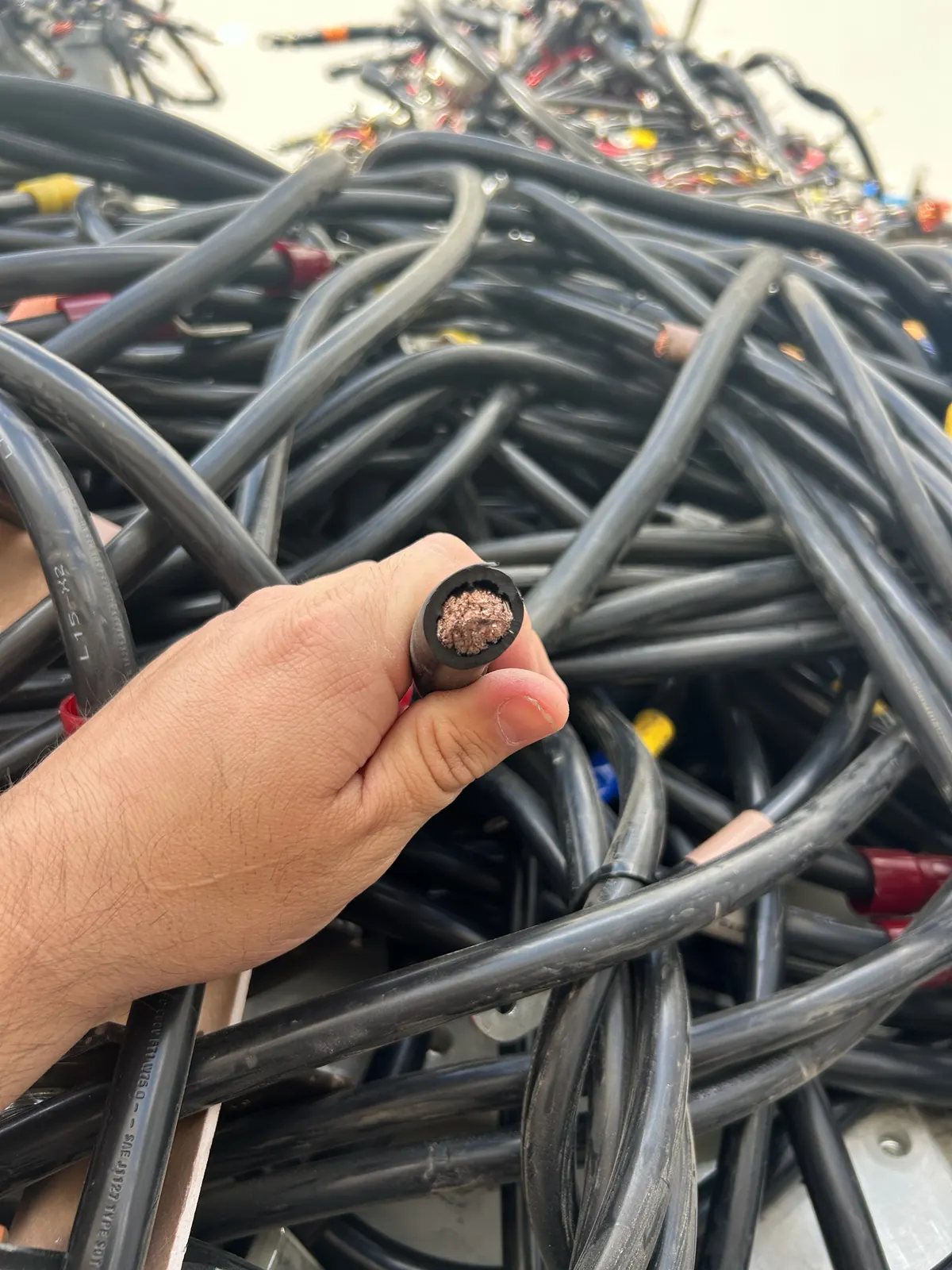
The scrap insulated copper wire price reflects recoverable metal, processing requirements and the buyer’s grading rules. A reusable-wire offer considers a different question: can someone use this material as wire rather than melt it down?
That distinction matters when comparing offers. Ask whether the quote covers gross cable weight, estimated copper weight or verified material weight. Also ask whether reel and packaging weight are excluded. Compare the same material on the same basis—not a bare-copper rate against an insulated-cable rate. Our guide to how we price surplus wire explains the additional factors behind a reusable-material offer.
02Understand Bare Bright, #1 Copper and #2 Copper
Scrap grades describe the condition and preparation of copper intended for recycling. They are not electrical ratings, and a scrap grade does not establish whether wire is suitable for installation. Individual buyers may apply different acceptance requirements, so confirm the grade before relying on a quoted rate.
- Bare bright: generally clean, uncoated, unalloyed bare copper wire, subject to the buyer’s size and cleanliness requirements.
- #1 copper: generally clean copper without significant contamination; it is not necessarily classified as bare bright.
- #2 copper: generally copper with coatings, oxidation, solder or other contamination that prevents acceptance in a cleaner grade.
Insulated copper wire is evaluated separately because its total weight includes non-copper material. Stripping usable cable merely to reach a bare-copper grade can destroy its reuse value. Before removing insulation or cutting reels, have an experienced buyer assess the material. Our copper wire buying information explains the reusable material we focus on.
03What an Insulated Wire Recovery Percentage Means
An insulated-wire recovery percentage estimates how much of the cable’s weight is recoverable copper. It does not describe insulation quality, electrical performance or the percentage of original purchase cost a seller should expect to recover.
A scrap description such as “MCM 88%” generally indicates a cable category priced around an estimated copper recovery of 88%. Confirm that meaning with the quoting buyer. The label alone does not establish the cable’s conductor size, construction or actual recovery, and it should not replace jacket markings or reel-tag information.
Keep three weights separate: the loaded reel, the cable itself and the copper within that cable. Jackets, insulation, fillers and packaging can affect the comparison. For a conductor-weight estimate, consult the Copper Wire Weight Chart, but do not treat conductor weight as total insulated-cable weight. Actual construction and verified material determine whether an estimate is appropriate.
04Compare Scrap and Reuse Value with Formulas
Use variables rather than a posted rate to compare the two routes. Let W be cable weight after excluding the reel and packaging, C be a copper-value reference per pound, and D be applicable processing adjustments or deductions.
For material assessed as “MCM 88%,” an illustrative metal-content calculation is:
Estimated recoverable copper = W × 88%
Illustrative scrap value = (W × 88% × C) − D
This explains recovery arithmetic; it is not a buyer’s quote. If a scrap buyer supplies an insulated-wire rate S that already incorporates recovery, use W × S, subject to stated deductions. Do not apply the recovery percentage again.
For a reusable-wire comparison, let F be verified footage and U be an offered value per foot for that specific material. Then illustrative reuse value = F × U. Compare each route’s stated logistics and deductions. The higher calculated value is meaningful only if the buyer accepts the material and confirms the quantity.
05Why Reusable Wire Can Be Worth More Than Its Copper
Reusable cable retains something scrap does not: a finished conductor and insulation system that may meet an active purchasing need. Its replacement cost helps frame its potential value, while current demand determines whether a buyer has a practical use for it. An original invoice alone does not establish today’s resale value.
Houston Wire Buyers considers conductor metal, wire type, size, footage, reel or packaging condition, manufacturer, date code, quantity and pickup logistics. Clear identification and usable lengths make those factors easier to evaluate. Full reels are straightforward to document, but partial reels, coils, boxes and reusable cut lengths can also have value.
Copper and aluminum require separate comparisons because their metal values and product demand differ. See our copper versus aluminum wire guide for that distinction. Never assume a reusable offer is simply the copper content multiplied by a scrap rate, or a fixed percentage of retail replacement cost.
06Decide Whether Your Wire Is a Reuse Candidate
If you are asking, “Is my wire worth more than scrap?” start with identification and condition. Photograph the reel tag and readable jacket print, then document footage or weight. Include damage, exposed ends and packaging condition rather than showing only the cleanest portion of the lot.
Short, burned, cut or heavily damaged wire may be better suited to scrap. Cut lengths are not automatically scrap: usable length, condition and demand still matter. Houston Wire Buyers focuses on reusable material and will tell sellers what is reusable rather than treating every load as a resale candidate.
Do not energize questionable wire to demonstrate its condition. A resale review is not an installation approval or a substitute for testing specified by a project. Have a licensed electrician or engineer resolve suitability, code and installation questions. Our guide to selling surplus wire in Houston explains how to prepare material information for a buying review.
07Apply the Comparison When Selling Surplus Wire in Houston
Keep identifiable reels intact while you request a reusable-material review. Send photos of reel tags or jacket print, footage or weight, and the material’s location. Houston Wire Buyers reviews the information, provides a written offer, schedules pickup or drop-off, verifies material on site and pays according to the written offer.
Service is limited to Greater Houston: Harris, Fort Bend, Montgomery, Brazoria, Galveston, Chambers and Waller counties. Pickup is scheduled at your site. Drop-off at 6402 McGrew St, Houston, TX 77087, requires an appointment; call first. The location is in southeast Houston’s Mayfair area, near I-45 and I-610.
Call or text 951-403-5738, or email industrial832@gmail.com. Include clear material identification so the comparison goes beyond copper weight alone. Request an offer for your surplus wire before stripping or scrapping potentially reusable material. Houston Wire Buyers is not affiliated with Houston Wire & Cable Company or any manufacturer.
FAQQuestions sellers ask
Can I compare a public copper market price directly with my wire offer?
Not directly. A copper market reference is one input, not a delivered buying price for your particular cable. Your material may include insulation and packaging, and a buyer must account for condition, demand and logistics. Ask what weight basis and material category the offer uses before comparing it with a market reference.
Will removing insulation increase what I receive?
It may change the scrap category, but it can eliminate the value of otherwise reusable wire. Stripping also changes the weight being sold, so a higher per-pound rate does not necessarily mean higher total proceeds. Request a review of intact, identifiable surplus before deciding to strip it.
Does older unused wire automatically belong in the scrap pile?
No. Manufacturer and date code are pricing factors, but age alone does not settle whether a lot is reusable. Identification, storage condition, specifications and current demand also matter. Provide readable markings and condition photos rather than assuming either that older wire is worthless or that unused wire retains its original purchase value.
Can a mixed lot receive one average price?
A mixed lot needs enough detail to distinguish conductor metals, cable types and conditions. One average can hide reusable material among lower-value items. Photograph and describe identifiable groups separately when practical, and state whether your weight covers the entire lot or individual groups. The written offer should make its scope clear.
What if I cannot confirm the footage on a partial reel?
Say that the footage is unknown rather than presenting a guess as verified quantity. Send the reel tag, jacket markings, available weight information and photos showing the remaining material. Houston Wire Buyers reviews that information before making an offer and verifies the material on site under the stated process.