SPECInstrumentation spec sheet
| Voltage rating | 300 V / 600 V |
|---|---|
| Conductor | Tinned copper twisted pairs or triads |
| Construction | PVC or XLPE, individually and/or overall shielded, PVC jacket |
| Standards | UL 13 PLTC; UL 2250 ITC; NEC Articles 725 and 727 |
| Example print | PLTC-ER 300V 12 PAIR 18 AWG IS/OS TINNED CU |
Sizes we buy in Instrumentation
01Identify PLTC and ITC Instrumentation Cable
Instrumentation cable carries signals such as 4-20 mA loops and DCS signals in Houston refineries and chemical plants. The cable covered here uses tinned copper twisted pairs or triads, PVC or XLPE insulation, individual and/or overall shields, and a PVC jacket. Relevant references are UL 13 for PLTC, UL 2250 for ITC, and NEC Articles 725 and 727.
A typical print reads “PLTC-ER 300V 12 PAIR 18 AWG IS/OS TINNED CU.” PLTC identifies power-limited tray cable; ER identifies an exposed-run designation, subject to applicable installation requirements. The remaining markings identify the voltage rating, pair count, conductor gauge, individual and overall shielding, and tinned copper conductors.
Keep the complete marking visible in your photos. Our reel tag and jacket print guide explains what information to capture. Ratings include 300 V and 600 V; do not infer a rating from appearance. Installation decisions belong with a licensed electrician or engineer.
02Sizes, Pair Counts and Put-Ups We Buy
We review instrumentation cable in 18 AWG and 16 AWG, with tinned copper conductors arranged as twisted pairs or triads. Send the actual pair or triad count rather than describing the cable only as “multi-conductor.” Shield arrangement also matters: individually shielded groups, an overall shield, or both can serve different project requirements.
Full reels and partial reels are useful formats to document, but we also review cut lengths, coils and boxes of reusable cable. A partial reel is not automatically scrap. Its available continuous length, identification and condition determine whether it has a practical reuse market.
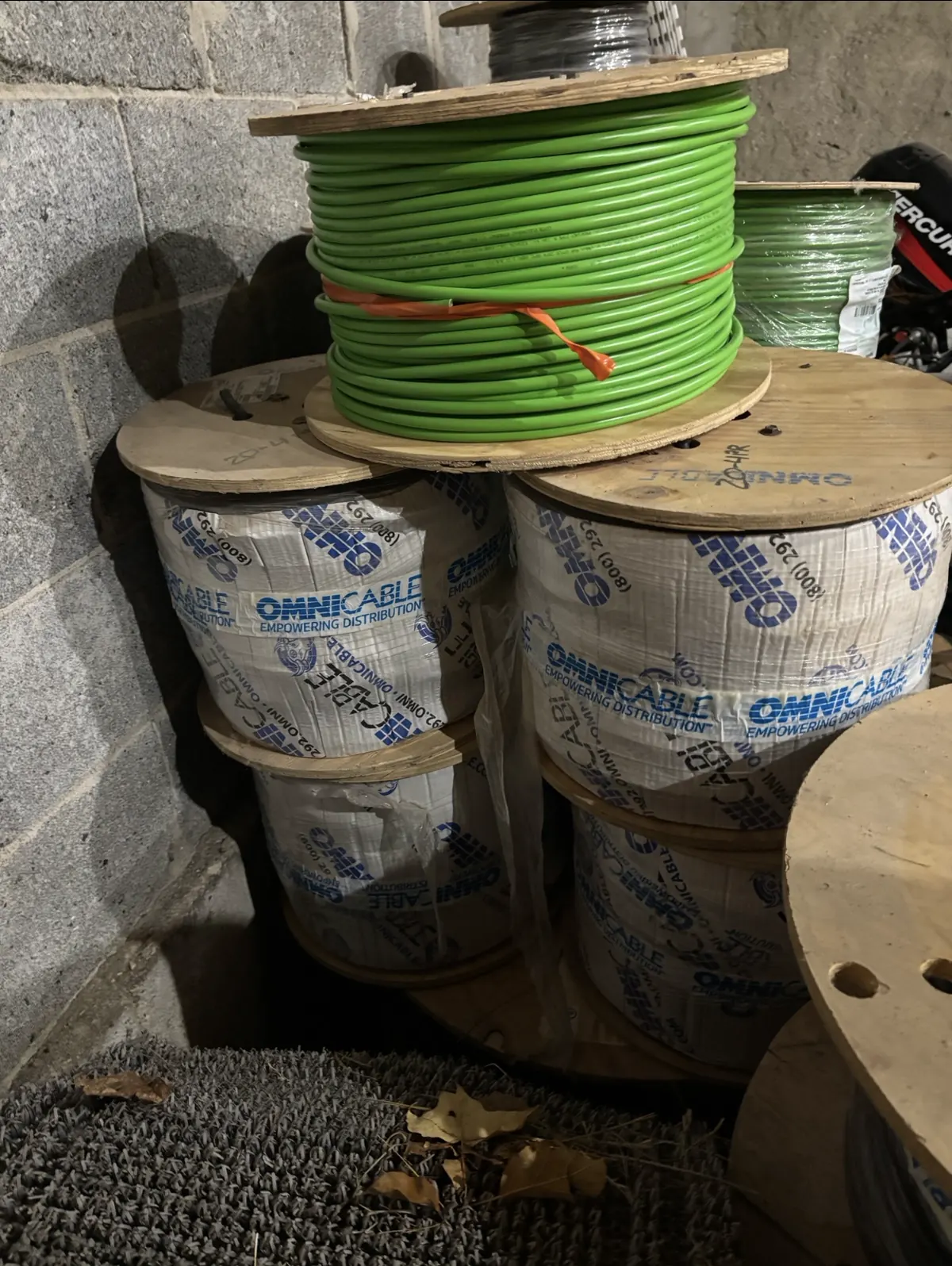
For each item, show the manufacturer, cable designation, conductor size, group count and available footage. If footage is uncertain, provide the weight and say that the length is unverified. Keep different constructions separate in your inventory so we can evaluate each cable accurately rather than treating the entire lot as one specification.
03What Makes Instrumentation Cable Valuable as Surplus
Reusable instrumentation cable is usually worth more than its scrap, or melt, value because a buyer can use the finished cable rather than recover only the metal. That value depends on a usable length, identifiable construction and condition that supports reuse. Tinned copper content matters, but it is not the only factor in an offer.
As PLTC cable buyers, we consider conductor metal markets, cable type and current demand, gauge, footage, manufacturer and date code. Reel and packaging condition, total quantity and pickup logistics also affect the review. A documented multi-pair reel may have a different resale opportunity than an unidentified bundle of short pieces.
Very short offcuts, burned cable and heavily damaged material may be better suited to scrap. Cutting cable into lengths can reduce its reuse options, although useful cut lengths can still qualify. We focus on reusable material and will tell you what appears suitable for reuse.
04Check Ends, Jackets, Reels and Date Codes
Before moving a reel, inspect what you can safely see and photograph any concerns. Leave existing identification attached and avoid removing packaging just to make the material look cleaner. The objective is an accurate condition record, not a cosmetic cleanup that hides damage.
- Show whether cable ends are sealed and disclose any known moisture exposure.
- Photograph jacket cuts, crushing, abrasion, heat damage or exposed shielding.
- Show reel flanges and the barrel, including broken or unstable components.
- Capture the manufacturer and date code on the tag or jacket.
- State any known outdoor storage, chemical exposure or uncertain footage.
A sealed end is useful information, not proof that the entire cable is sound. Likewise, an older date code alone does not settle whether a reel is reusable. We review the available documentation and physical condition, then verify the material on site before payment under the written offer.
05Houston Facilities That Generate Instrumentation Surplus
Multi-pair instrumentation reels left after turnarounds are common surplus in Houston refineries and chemical plants. Contractors and facility material teams may finish a job with unused reels, partial reels or staged cable that no longer matches the next project's requirements. Clear identification helps distinguish usable excess inventory from damaged removal material.
We work with sellers holding surplus from refineries and petrochemical plants, as well as industrial maintenance inventories and fabrication projects. When preparing a lot, separate unused project leftovers from previously installed cable and disclose the history you know. Do not assume every reel in a storeroom has the same construction or condition.
Our service area is Greater Houston only: Harris, Fort Bend, Montgomery, Brazoria, Galveston, Chambers and Waller counties. We schedule pickup at the seller's site. Include the material's location and any site access or loading constraints with your inventory so pickup logistics can be considered in the offer.
06How to Sell Instrumentation Cable for a Written Offer
To sell shielded instrument cable in Houston, start with clear photos and a basic inventory. Text 951-403-5738 or email industrial832@gmail.com with reel tags, jacket markings, footage or weight, quantity and location. Include close-ups of damage and explain whether the cable is unused or previously installed.
You can also request an offer for surplus cable. We review the information and provide a written offer for material we can buy. After that, we schedule pickup or an appointment for drop-off, verify the material on site, and pay according to the written offer.
Our address is 6402 McGrew St, Houston, TX 77087, in southeast Houston's Mayfair area near I-45 and I-610. Call first before bringing cable to McGrew Street. Drop-off is by appointment only. Keep tags with their matching reels and flag uncertain footage before scheduling; accurate information helps the on-site verification match the material described.
07Instrumentation Cable Compared With Related Cable Types
Cable names can overlap in everyday conversation, so use the jacket designation rather than the job nickname. Instrumentation cable is commonly identified by its twisted pairs or triads and shielding arrangement for signal circuits. A cable described simply as “plant cable” needs more documentation before it can be evaluated accurately.
Control cable may serve control functions, but its conductor arrangement and shielding can differ from an instrumentation specification. Tray cable is another related category; a tray application does not make every cable PLTC or ITC. The marked cable type and applicable listing remain important.
VFD cable serves drive-related applications and should not be grouped with instrument signal cable solely because both have shields. Photograph each distinct jacket print and separate the inventory by marked type. For substitutions, circuit suitability or routing questions, consult a licensed electrician or engineer. Our review determines surplus purchasing interest, not installation approval.
FAQQuestions sellers ask
Should I strip the insulation before offering instrumentation cable?
No. If you want the cable evaluated for reuse, leave its insulation, shielding and jacket intact. Stripping destroys the finished cable's reuse potential and removes valuable identification. Send photos first so we can assess it as surplus rather than assuming its only value is the recoverable copper.
Can you review a lot containing different pair counts?
Yes. List each distinct cable separately and connect its photos to the correct reel or coil. Different pair counts, gauges or shield arrangements should not be combined into a single inventory description. If you cannot identify an item, include a readable jacket photo and mark that entry as uncertain.
Is tinned copper instrumentation cable the same as aluminum cable?
No. Tinned copper has a copper conductor with a tin coating; it is not an aluminum conductor. The coating can make exposed conductors look silver-colored, so appearance alone is unreliable. Include the conductor marking, such as “TINNED CU,” when documenting a reel for review.
Can I get an offer if the reel tag is missing?
Send readable jacket markings, overall reel photos and the footage or weight you have. A missing tag does not automatically rule out review, but incomplete identification can limit our ability to assess the cable. Be clear about what is known and what is estimated rather than assigning an unsupported specification.
Are you Houston Wire & Cable Company?
No. Houston Wire Buyers is not affiliated with Houston Wire & Cable Company or any manufacturer. We buy reusable surplus wire and cable within Greater Houston. To discuss instrumentation cable you want to sell, contact Houston Wire Buyers at 951-403-5738 or industrial832@gmail.com.